Content
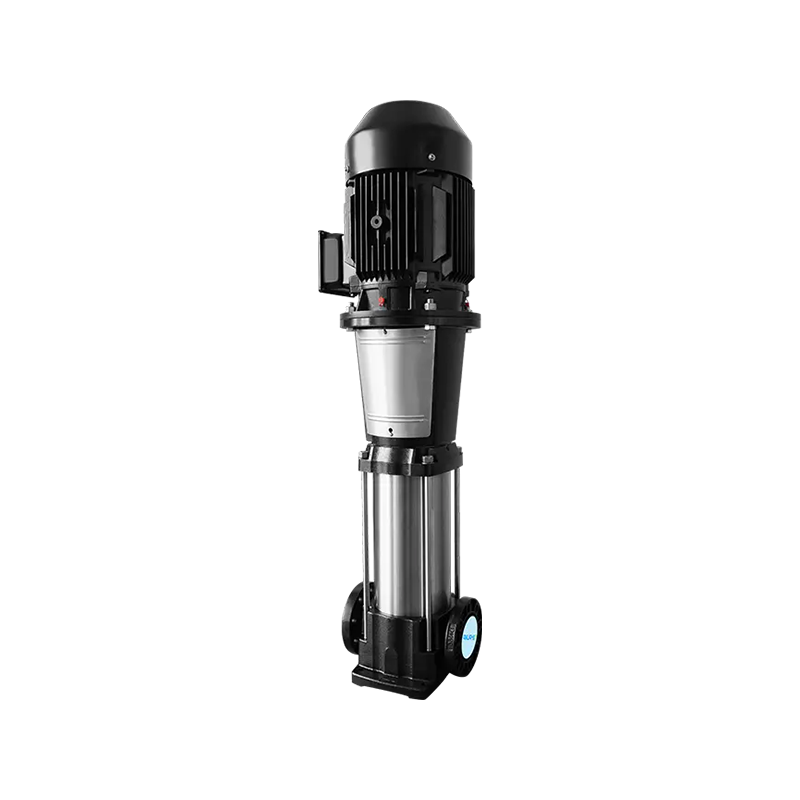
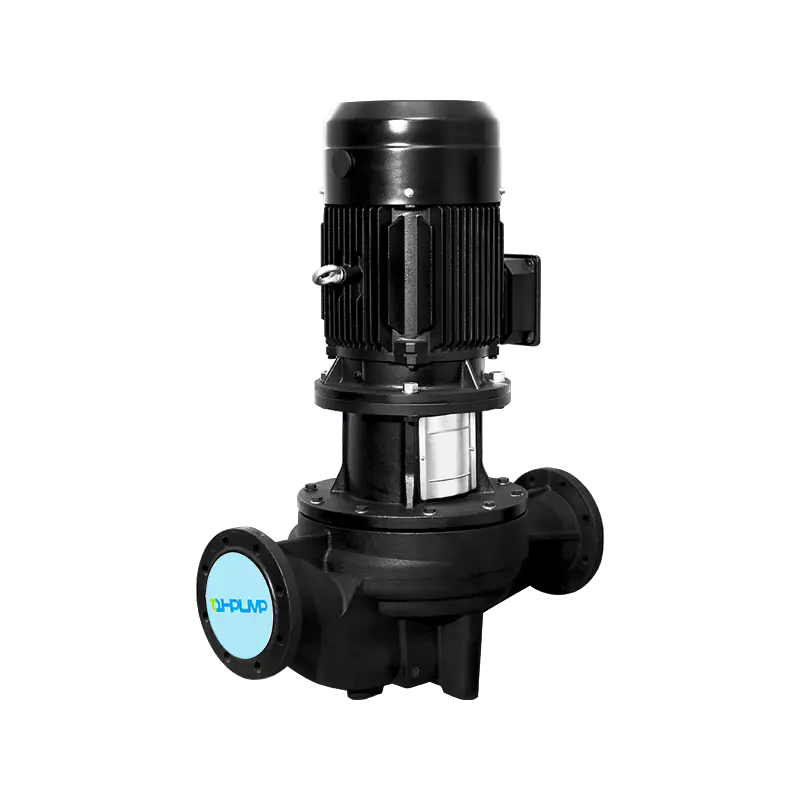
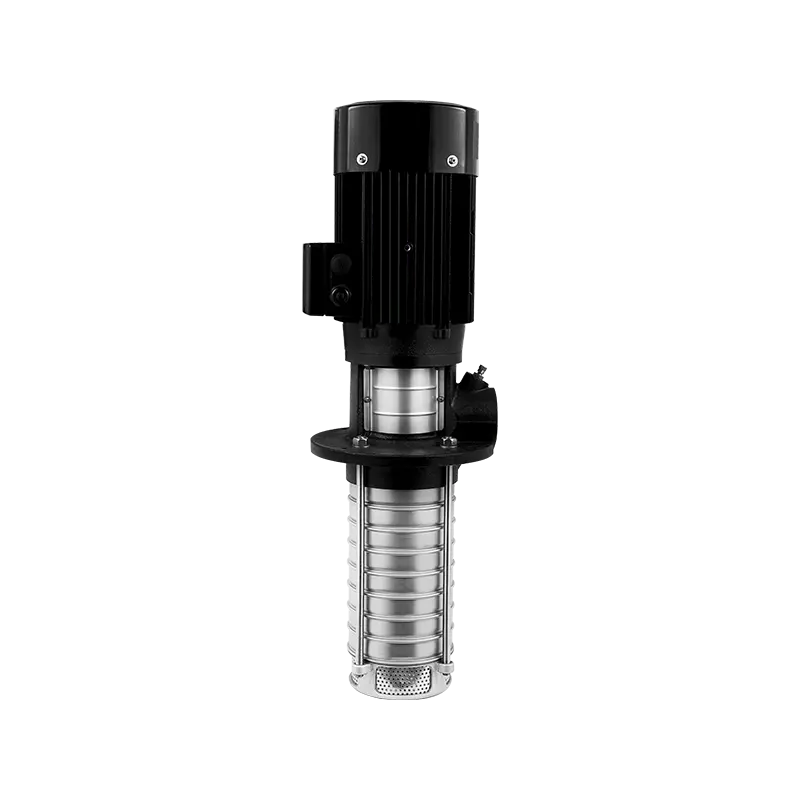
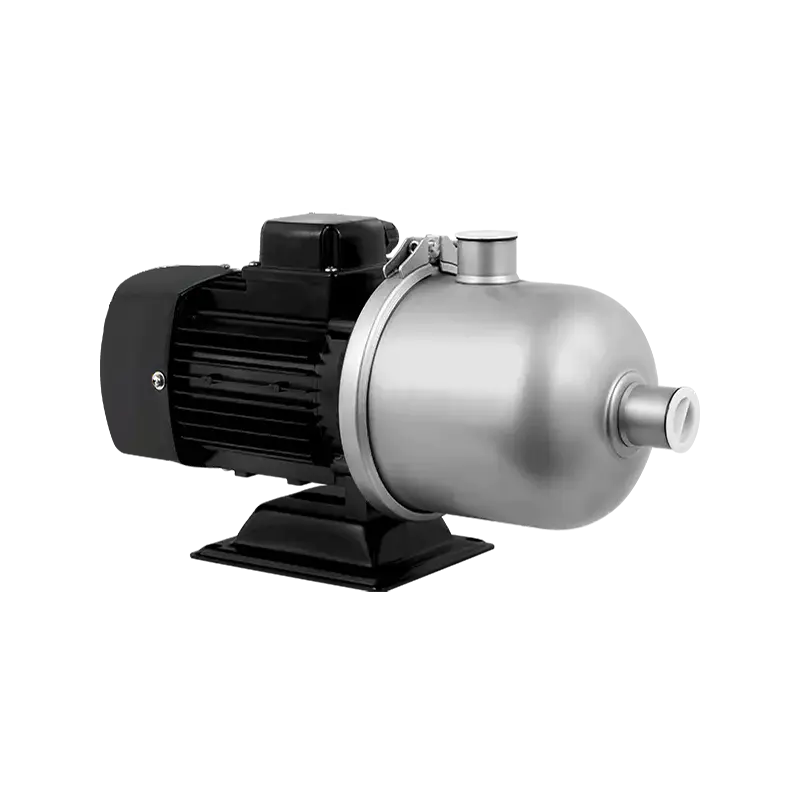
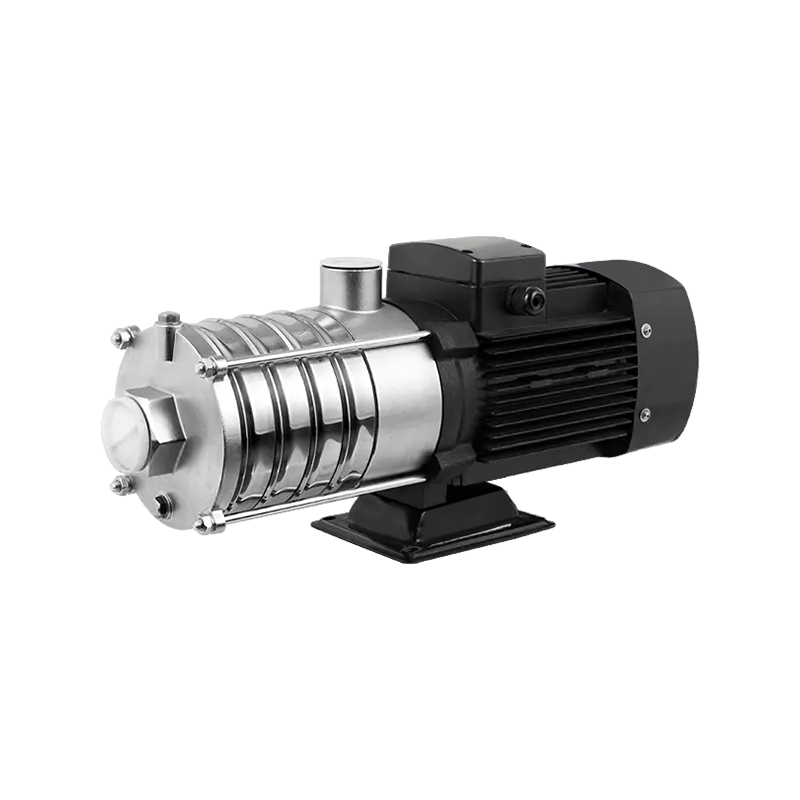
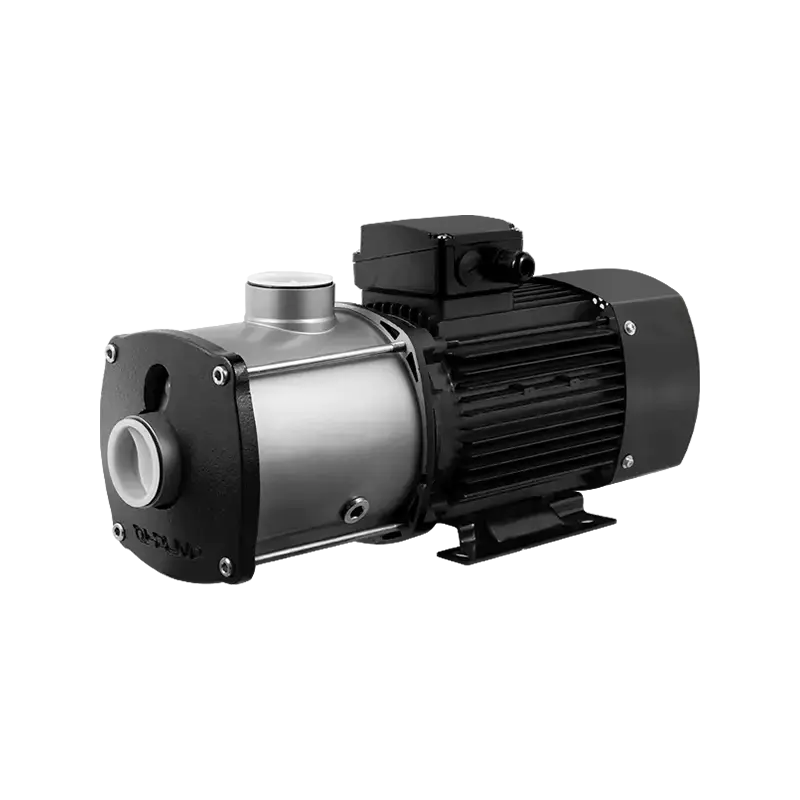
Horizontal multistage pumps are centrifugal pumps designed with multiple impellers (stages) arranged in series along a single, horizontally mounted shaft. This configuration allows the pump to generate significantly higher pressures than a single-stage centrifugal pump by incrementally increasing the fluid's energy through each stage. Renowned for their efficiency, compact footprint, and robust performance, these pumps are a cornerstone in industries where reliable, high-pressure water or clean fluid supply is critical, from building services to industrial processes and water treatment.
The operation is based on the centrifugal principle, compounded across several stages. Fluid enters the pump at the suction inlet and is directed to the first impeller. This rotating impeller imparts kinetic energy to the fluid, increasing its velocity. The fluid then passes through a diffuser or volute, where this velocity is converted into pressure. Instead of discharging, the pressurized fluid is channeled to the inlet of the next impeller, where the process repeats. Each subsequent stage adds more pressure, with the final discharge pressure being the cumulative sum of all stages. The horizontal shaft is supported by bearings at both ends, ensuring stability and handling the axial thrust generated by the stacked impellers, often balanced by a hydraulic balancing device like a balancing drum or pistons.
Understanding the main components is essential for specification, operation, and maintenance. The core parts of a standard horizontal multistage pump include:
Horizontal multistage pumps excel in applications requiring moderate to high flow rates at high pressure. Their primary uses include:
Widely used for boiler feed systems, high-rise building water supply (boosting), pressure boosting in water distribution networks, and HVAC systems. Their ability to deliver consistent pressure makes them ideal for firefighting systems and hotel water supply.
Essential in industries such as chemical processing (for transferring process water), power generation (as feedwater pumps), and food & beverage (for high-pressure cleaning/CIP systems and reverse osmosis feed).
Employed in reverse osmosis (RO) plants for high-pressure saltwater feed, in wastewater treatment for filter press feed, and in large-scale agricultural irrigation systems where high pressure is needed to cover vast areas or operate sprinklers.
Used for mine dewatering and for supplying high-pressure water for coal washing or dust suppression, where reliability under tough conditions is paramount.
Choosing a horizontal multistage pump involves weighing its strengths against alternatives like vertical multistage or single-stage centrifugal pumps. The table below highlights key comparisons:
Maintenance Ease
| Aspect | Horizontal Multistage Pump | Vertical Multistage Pump | Single-Stage Centrifugal Pump |
|---|---|---|---|
| Footprint & Space | Requires more floor space, but easy access for maintenance. | Minimal floor space, ideal for tight areas like wells or pits. | Compact footprint for low/medium pressure duties. |
| Pressure Generation | High to very high pressure (via multiple stages). | High pressure, similar capability. | Limited to low/medium pressure. |
| Generally easier; major components are horizontally accessible without dismantling piping. | Can be more complex; often requires pulling the entire assembly for service. | Simplest, with easy access to impeller and seal. | |
| NPSH Requirement | Higher NPSHr due to first-stage impeller design; may need good suction conditions. | Can have lower NPSHr, suitable for suction lift applications. | Varies, but typically lower than multistage pumps. |
| Typical Applications | Boiler feed, pressure boosting, industrial processes. | Deep well pumping, booster systems in buildings with space constraints. | Circulation, transfer, low-pressure irrigation. |
Key advantages of horizontal multistage pumps include high efficiency over a wide operating range, robust construction for continuous duty, easier maintenance access compared to vertical types, and smooth, low-vibration operation due to stable bearing support.
Correct pump selection is critical for performance and longevity. Key parameters to define include:
Proactive maintenance ensures reliability and prevents costly downtime. Follow these key practices:
Routine Monitoring: Regularly check pump parameters: discharge pressure, flow rate, motor current, and bearing temperature. Monitor for unusual vibrations or noises, which can indicate misalignment, cavitation, or bearing wear. Use vibration analysis tools for predictive maintenance.
Scheduled Maintenance Tasks:
Common Problems and Solutions:
Horizontal multistage pumps are engineered for durability and performance. By understanding their design, carefully selecting for the application, and adhering to a disciplined maintenance schedule, operators can ensure decades of reliable service in demanding high-pressure roles.
It is focused on the overall solution of dry bulk material port transfer system,
research and development, manufacturing, and service
Factory Area 5-6, No. 1118 Xin'an Road, Nanxun Town, Huzhou City, Zhejiang Province
+86-4008117388
[email protected]
Copyright © Zhejiang Zehao Pump Industry Co., Ltd. All Rights Reserved. Stainless Steel Multistage Centrifugal Pumps Manufacturers