


 English
 中文简体
中文简体 русский
Classic Vertical Pump: Types & Applications
Content
- 1 Why the Classic Vertical Pump Remains a Core Choice for Modern Fluid Systems
- 2 How Vertical Multistage Centrifugal Pumps Generate High Head from a Compact Body
- 3 ZHL/ZHLF Light Vertical Multistage Pumps: Design and Application Range
- 4 ZHLF+ZHG High-Pressure Vertical Multistage Pumps: Performance at Elevated Head
- 5 Liquid Media Compatibility: From Clean Water to Corrosive Fluids
- 6 Performance Parameters: Selecting the Right Pump for High-Lift and Large-Flow Conditions
Why the Classic Vertical Pump Remains a Core Choice for Modern Fluid Systems
The Classic Vertical Pump occupies a central position in fluid handling engineering for a straightforward reason: it delivers reliable, continuous flow output within a compact structural footprint that horizontal pump configurations cannot match in space-constrained installations. Where pump rooms, mechanical basements, rooftop plant areas, and industrial process skids impose strict dimensional limits, the vertical orientation of the pump — with motor, shaft, and hydraulic stages aligned on a single vertical axis — allows installation in floor areas a fraction of the size required by equivalent-capacity horizontal units. This spatial efficiency, combined with stable hydraulic performance across a wide range of flow and head conditions, is what has sustained the classic vertical pump's market relevance across decades of engineering application.
The design philosophy behind the classic vertical pump prioritizes three practical outcomes simultaneously: ease of installation in confined spaces, minimal maintenance access requirements, and consistent hydraulic performance across the full operating range. Vertical orientation eliminates the shaft coupling alignment procedures that horizontal pumps require after every major service intervention, and the in-line or close-coupled motor configuration reduces the number of mechanical interfaces — and therefore the number of potential failure points — in the drive train. For facility managers operating building water supply systems, municipal water networks, or industrial process cooling circuits, these characteristics translate directly into lower lifecycle maintenance costs and higher system availability.
How Vertical Multistage Centrifugal Pumps Generate High Head from a Compact Body
Vertical multistage centrifugal pumps achieve high discharge pressure by passing liquid sequentially through multiple impeller-diffuser stages stacked in series on a single vertical shaft. Each stage adds a discrete increment of pressure energy to the fluid — typically 15 to 40 meters of head per stage depending on impeller diameter, rotational speed, and hydraulic design — allowing the total head delivered by the pump to be scaled by adding or removing stages without changing the pump's external footprint or motor frame size. A pump producing 120 meters of total head might accomplish this through six stages each contributing 20 meters, whereas a single-stage centrifugal pump achieving the same head would require a substantially larger and heavier casing and impeller assembly.
The hydraulic model used in each stage is the primary determinant of pump efficiency, noise level, and cavitation resistance. A highly efficient hydraulic model — developed through computational fluid dynamics (CFD) simulation and validated on hydraulic test rigs — minimizes recirculation losses at the impeller eye, reduces disk friction losses at the shroud surfaces, and optimizes velocity recovery in the diffuser passages. In practice, the difference between a well-optimized hydraulic model and a generic design can represent 5 to 8 percentage points of hydraulic efficiency at the best efficiency point (BEP), which for a continuously operating pump in a building water supply or industrial cooling application translates into meaningful energy cost savings over a ten-year operational horizon.
Stage Construction and Material Selection
Each stage in a vertical multistage centrifugal pump consists of an impeller, a diffuser or return channel, and a stage casing that directs flow from the diffuser outlet to the next stage inlet. Material selection for these components depends on the liquid medium being handled. For clean water applications, cast iron casings with bronze or stainless steel impellers provide cost-effective corrosion resistance. For corrosive liquids, all-stainless steel construction in grade 304 or 316 eliminates galvanic corrosion risk at dissimilar metal interfaces and provides the chemical resistance needed for acidic or mildly alkaline process fluids. Mechanical seal materials — carbon-ceramic or silicon carbide face combinations with EPDM or PTFE elastomers — are similarly selected based on fluid chemistry and temperature to ensure leak-free operation across the specified service life.
ZHL/ZHLF Light Vertical Multistage Pumps: Design and Application Range
The ZHL and ZHLF series represent the light-duty segment of the vertical multistage centrifugal pump product range, engineered for applications where moderate flow rates and heads are required with maximum installation flexibility and operating economy. The ZHL designation covers standard clean water service, while the ZHLF variant uses all-stainless steel wetted components for corrosion-resistant service in water treatment, food processing auxiliary systems, and light chemical transfer applications where media compatibility with cast iron is not guaranteed.
In building water supply and drainage applications, the ZHL/ZHLF pumps serve as pressure booster units in mid-rise and high-rise residential and commercial buildings, maintaining constant outlet pressure to upper-floor plumbing circuits regardless of demand variation at lower floors. Variable frequency drive (VFD) compatibility — a standard design feature in the ZHL/ZHLF range — allows the pump motor speed to modulate in response to system pressure feedback, eliminating the pressure surges and energy waste associated with on-off control strategies and reducing annual energy consumption by 20 to 40% compared with fixed-speed operation in variable-demand building water systems.
For urban water supply and agricultural irrigation applications, the ZHL/ZHLF series provides the flow consistency and head stability required by distribution networks with varying demand patterns. The pump's stable and continuous flow output — maintained across a wide operating range by the multistage hydraulic design — ensures that downstream pressure zones receive adequate supply pressure during peak demand periods without over-pressurizing the network during low-demand intervals when VFD speed reduction brings both system pressure and energy consumption into balance.
ZHLF+ZHG High-Pressure Vertical Multistage Pumps: Performance at Elevated Head
The ZHLF+ZHG combination represents the high-pressure tier of the vertical multistage centrifugal pump range, designed for applications where standard ZHL/ZHLF head ratings are insufficient — tall building boosting above 20 floors, long-distance pipeline transfer, high-pressure industrial process supply, and fire suppression systems requiring sustained pressure above 1.6 MPa at rated flow. The ZHG stage module is engineered specifically for elevated pressure duty, with reinforced stage casings, tighter impeller clearances, and heavy-duty mechanical seals rated for the higher stuffing box pressures generated in deep multistage configurations.
In sewage treatment plant applications, the ZHLF+ZHG series handles the transfer of treated effluent, process water, and in some configurations, mildly contaminated process streams between treatment stages. The all-stainless steel ZHLF wetted construction provides the corrosion resistance needed for the chemically variable environment of biological treatment and membrane filtration processes, while the ZHG high-pressure stage module delivers the head required to overcome the significant pipe friction losses in large treatment plant networks where pump stations are separated by hundreds of meters of process pipework.
Industrial cooling cycle applications — chilled water distribution in large HVAC systems, cooling water supply to process heat exchangers, and closed-loop cooling circuits in power generation and manufacturing facilities — place particular emphasis on pump reliability and efficiency at continuous-duty operating points. The ZHLF+ZHG series is engineered for 24-hour continuous operation at rated conditions, with bearing arrangements and mechanical seal designs selected for extended service intervals that align with typical industrial planned maintenance schedules of 8,000 to 16,000 operating hours.
Liquid Media Compatibility: From Clean Water to Corrosive Fluids
One of the defining practical advantages of the classic vertical pump in multistage centrifugal configuration is its adaptability to a wide range of liquid media through material specification changes that do not require modification to the pump's external dimensions, mounting interface, or motor drive arrangement. The same hydraulic stage geometry that handles clean municipal water can be produced in materials appropriate for sewage, corrosive chemical solutions, or food-grade process fluids, allowing operators to standardize on a single pump platform while meeting the media compatibility requirements of diverse service conditions.
- Clean water: Cast iron or stainless steel construction with ceramic-carbon mechanical seals for municipal water supply, building boosting, and irrigation service. Operating temperature range typically 0°C to +70°C with media containing no more than trace levels of suspended solids.
- Sewage and wastewater: Ductile iron or 316 stainless steel wetted parts with silicon carbide mechanical seal faces for resistance to abrasive fine solids in suspension. Impeller clearances specified to pass the solids loading typical of secondary treated effluent without blockage.
- Corrosive liquids: Full 316L stainless steel or duplex stainless steel construction with PTFE-encapsulated elastomers and silicon carbide seal faces for chemical transfer, water treatment chemical dosing recirculation, and process industry service in mildly acidic or alkaline media.
- Hot water and thermal fluids: High-temperature mechanical seal configurations with carbon-silicon carbide faces rated to +120°C for industrial heating circuit circulation and hot water building services applications.
Performance Parameters: Selecting the Right Pump for High-Lift and Large-Flow Conditions
Whether operating in high-lift or large-flow conditions, the classic vertical pump performs stably across the full hydraulic duty envelope. Translating this capability into correct pump selection requires understanding the relationship between flow rate, total head, pump speed, and efficiency — and how the multistage configuration allows these parameters to be optimized for each specific application duty point.
| Pump Series | Typical Flow Range | Total Head Range | Primary Applications | Key Design Feature |
|---|---|---|---|---|
| ZHL (Standard) | 1 – 100 m³/h | 20 – 200 m | Building water supply, irrigation | VFD compatible, compact footprint |
| ZHLF (Corrosion-Resistant) | 1 – 100 m³/h | 20 – 200 m | Water treatment, corrosive media transfer | Full SS316 wetted construction |
| ZHLF+ZHG (High-Pressure) | 2 – 80 m³/h | 100 – 600 m | High-rise boosting, industrial cooling, sewage treatment | Reinforced stages, heavy-duty seals |
When specifying a vertical multistage centrifugal pump for a new installation or replacement project, the system curve — the relationship between required head and flow rate across all operating conditions the pump will encounter — must be plotted against the pump's hydraulic performance curve to confirm that the selected duty point falls within 10 to 15% of the pump's best efficiency point. Operating persistently far from BEP increases radial thrust loads on the shaft, accelerates bearing and seal wear, and raises energy consumption without productive hydraulic output. For systems with widely varying flow demand — building water supply, urban distribution networks, agricultural irrigation with seasonal demand variation — VFD speed control combined with correctly sized vertical multistage centrifugal pumps provides both the stable and continuous flow output required by the system and the energy efficiency needed to minimize operating costs over the full project lifecycle.
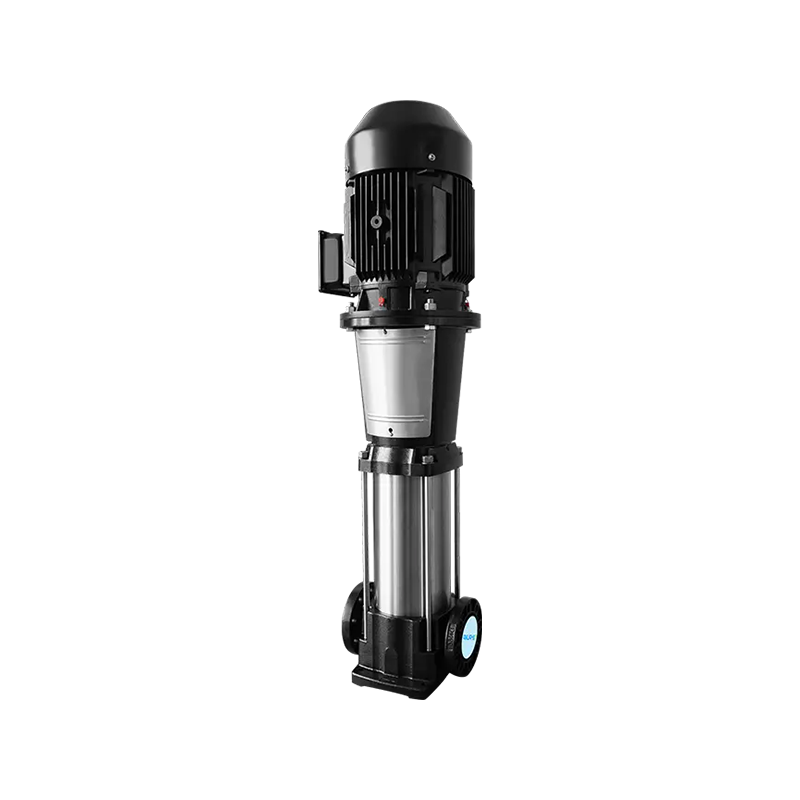

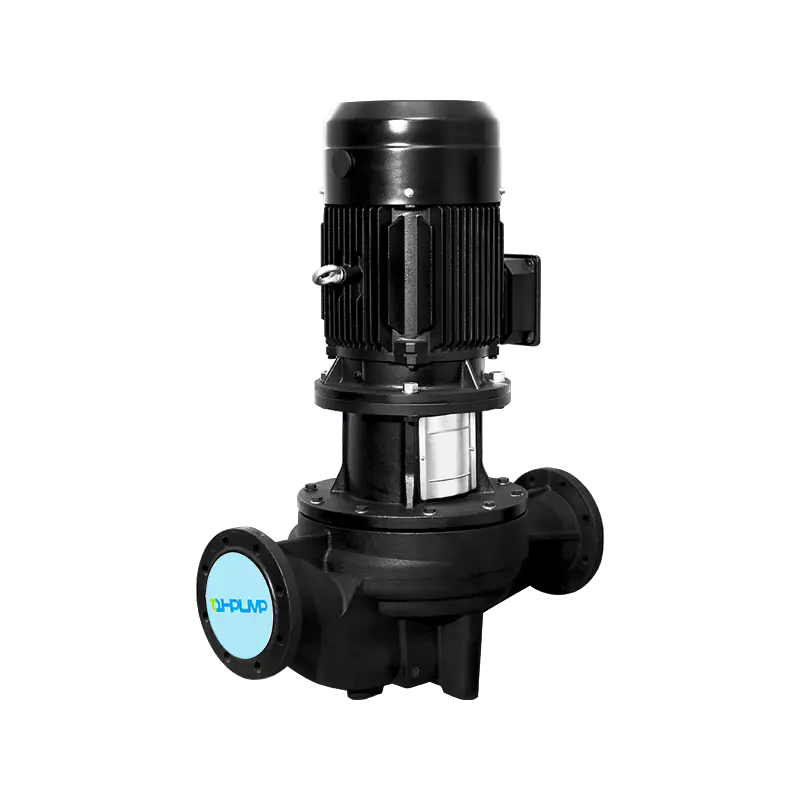
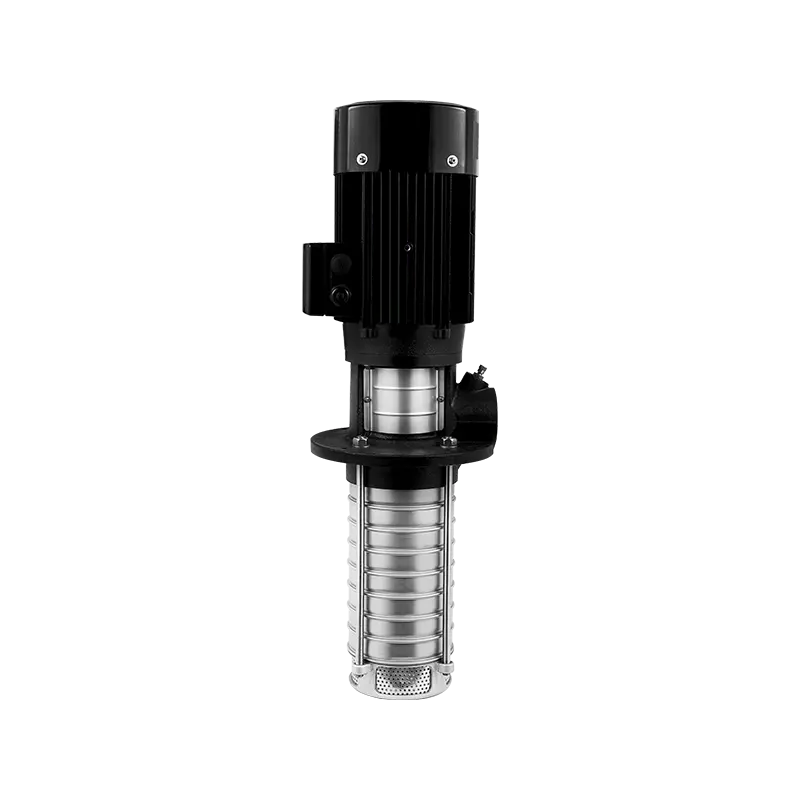
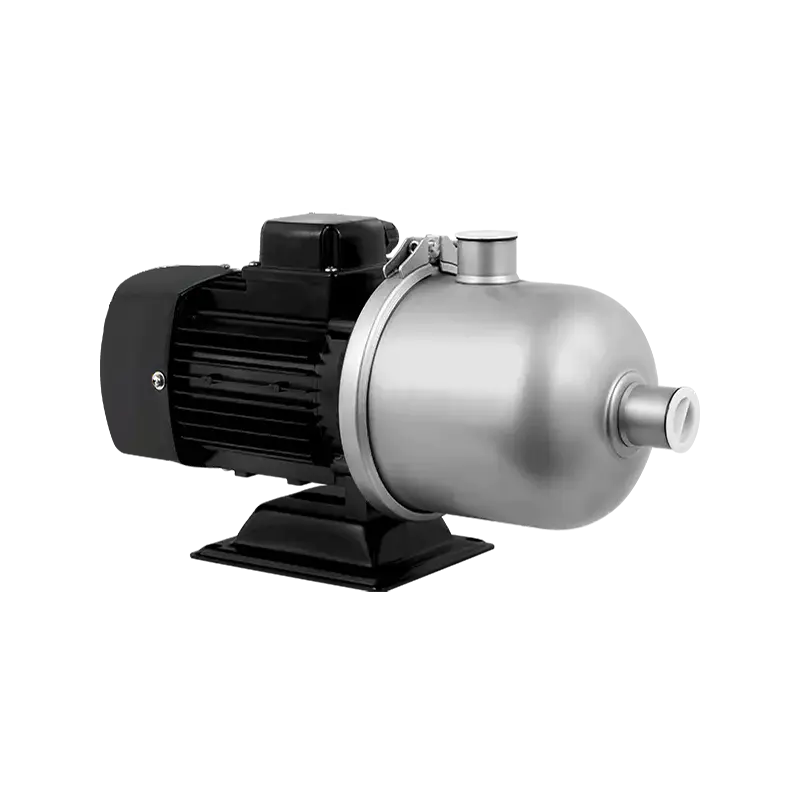
Recommended Products
It is focused on the overall solution of dry bulk material port transfer system,
research and development, manufacturing, and service


 English
-
 Factory Area 5-6, No. 1118 Xin'an Road, Nanxun Town, Huzhou City, Zhejiang Province
-
 +86-4008117388
-
 [email protected]
Copyright © Zhejiang Zehao Pump Industry Co., Ltd. All Rights Reserved. Stainless Steel Multistage Centrifugal Pumps Manufacturers

