


 English
 中文简体
中文简体 русский
Common Problems with Submersible Sewage Pumps and How to Solve Them
Content
Introduction to Submersible Sewage Pumps
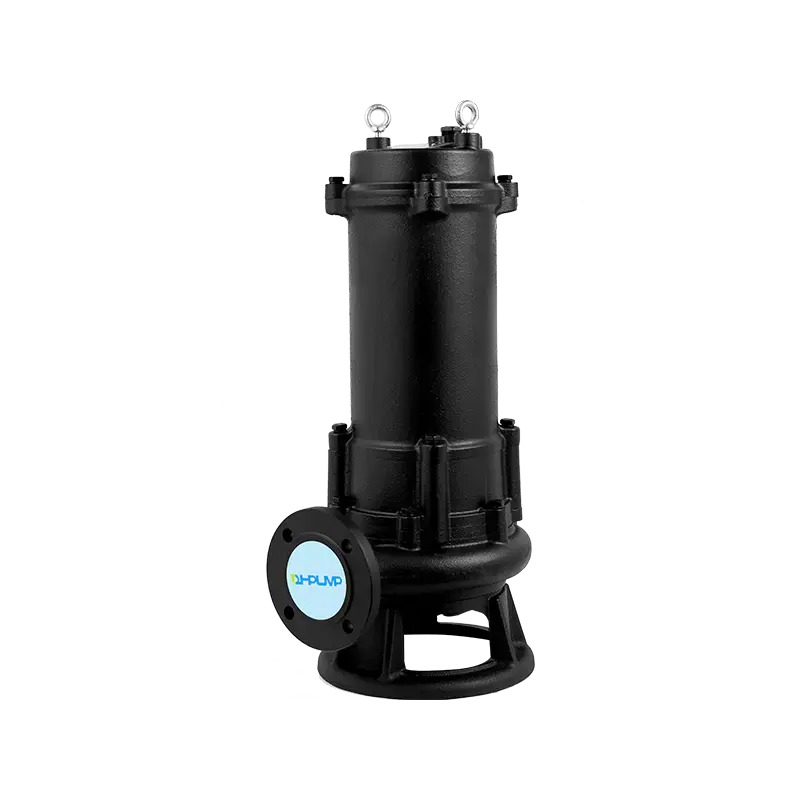
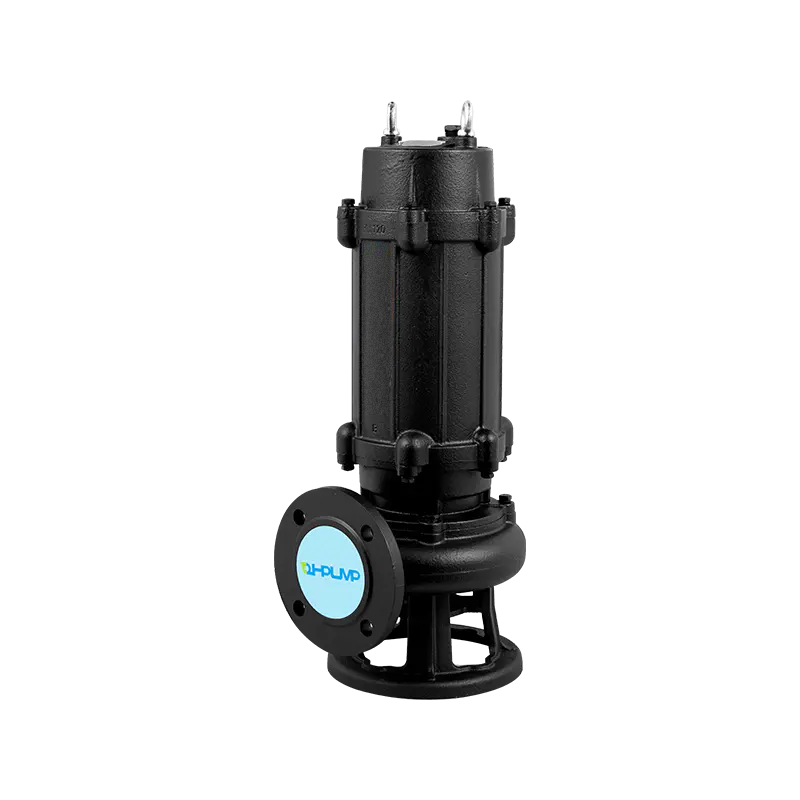
Submersible sewage pumps are widely used in residential, commercial, and industrial applications for wastewater management. While these pumps are highly efficient and reliable, they can encounter various operational problems over time. Understanding these common issues and knowing how to resolve them is essential for maintaining pump performance and preventing costly downtime.
Clogging and Blockages
One of the most frequent problems with submersible sewage pumps is clogging due to debris, solids, or fibrous materials in the wastewater. Blockages can reduce flow rate, cause the motor to overheat, and eventually lead to pump failure.
Causes of Clogging
Common causes include flushing non-biodegradable materials, excessive grease buildup, and long fibrous items such as cloth or hair. Pumps installed in areas with high solid content are particularly susceptible to clogging.
Solutions
- Regularly inspect and clean the pump impeller and intake screen.
- Install a grinder or macerator to break down large solids.
- Educate users to avoid flushing materials that can cause blockages.
Motor Overheating
Overheating is another common issue, often caused by continuous operation under high load or insufficient cooling. Submersible pumps rely on the surrounding liquid for cooling, so low water levels or excessive debris can increase the risk of overheating.
Causes of Motor Overheating
Motor overheating can result from running the pump dry, blockage of the cooling channels, or electrical faults such as voltage fluctuations.
Solutions
- Ensure the pump is fully submerged before operation.
- Clean cooling passages and inspect the impeller for debris.
- Check electrical connections and voltage supply for stability.
Seal and Bearing Failures
Seals and bearings are critical components that maintain pump integrity and performance. Wear or damage can allow water to enter the motor or cause excessive vibration, leading to premature failure.
Causes of Seal and Bearing Failures
Common causes include abrasive solids in wastewater, improper lubrication, and prolonged operation under excessive load or high temperature.
Solutions
- Use pumps with high-quality mechanical seals resistant to abrasive materials.
- Perform regular inspection and maintenance of bearings and seals.
- Replace worn components promptly to avoid secondary damage.
Electrical and Control Issues
Submersible pumps may face electrical problems such as motor failure, tripped breakers, or faulty control panels. These issues can stop the pump from operating, causing sewage backups and operational downtime.
Common Electrical Problems
Problems include short circuits, insulation failure, and improper wiring. Pumps operating in corrosive or humid environments are particularly vulnerable to electrical issues.
Solutions
- Ensure proper grounding and insulation of electrical components.
- Install surge protectors or voltage stabilizers to prevent electrical damage.
- Regularly inspect wiring and control panels for signs of wear or corrosion.
Performance Degradation
Over time, submersible sewage pumps may experience reduced performance, including lower flow rates, diminished pressure, and increased energy consumption. This often results from wear on impellers, accumulation of debris, or internal corrosion.
Solutions
- Inspect and clean the impeller and pump housing regularly.
- Replace worn parts to restore original performance.
- Consider periodic testing of pump efficiency to detect early performance issues.
Comparison of Common Issues and Solutions
| Problem | Cause | Solution |
| Clogging | Debris, fibrous materials, grease | Clean impeller, install grinder, user education |
| Motor Overheating | Dry operation, blocked cooling, electrical faults | Submerge pump, clean cooling passages, check voltage |
| Seal/Bearing Failure | Abrasive solids, poor lubrication, high load | Use quality seals, regular inspection, replace worn parts |
| Electrical Issues | Short circuits, insulation failure, corrosion | Proper grounding, surge protection, inspect wiring |
| Performance Degradation | Worn impeller, debris accumulation, corrosion | Clean and inspect pump, replace worn parts, test efficiency |
Conclusion
Regular maintenance, proper installation, and timely troubleshooting are key to ensuring the reliable operation of submersible sewage pumps. By understanding common problems such as clogging, motor overheating, seal or bearing failure, electrical issues, and performance degradation, operators can take proactive measures to minimize downtime and extend the lifespan of their pumps.

Recommended Products
It is focused on the overall solution of dry bulk material port transfer system,
research and development, manufacturing, and service

 English
-
 Factory Area 5-6, No. 1118 Xin'an Road, Nanxun Town, Huzhou City, Zhejiang Province
-
 +86-4008117388
-
 [email protected]
Copyright © Zhejiang Zehao Pump Industry Co., Ltd. All Rights Reserved. Stainless Steel Multistage Centrifugal Pumps Manufacturers

