


 English
 中文简体
中文简体 русский
How to Select the Right Centrifugal Water Pump for Your Application
Content
- 1 Clarify the Operating Purpose and System Requirements
- 2 Determine Required Flow Rate and Total Dynamic Head
- 3 Evaluate Water Source and Fluid Characteristics
- 4 Select the Appropriate Pump Type and Configuration
- 5 Match Pump Performance with Efficiency Range
- 6 Consider Installation and Maintenance Conditions
- 7 Assess Long-Term Operation and System Compatibility
Clarify the Operating Purpose and System Requirements
Selecting the right centrifugal water pump starts with a clear understanding of how the pump will be used within the system. The operating purpose determines whether the pump is required for water transfer, circulation, pressure boosting, drainage, or continuous supply. Each application places different demands on flow stability, operating duration, and system integration.
It is also necessary to review the overall system layout, including suction conditions, discharge piping length, elevation differences, and whether the pump will operate independently or as part of a larger pumping station. These factors directly influence pump sizing and configuration.
Determine Required Flow Rate and Total Dynamic Head
Flow rate and total dynamic head are the two primary parameters used to select a centrifugal water pump. Flow rate defines how much water must be moved within a given time, while total dynamic head represents the total resistance the pump must overcome to deliver that flow.
Total dynamic head includes static lift, friction losses in pipes and fittings, and pressure requirements at the discharge point. Underestimating head requirements can lead to insufficient performance, while oversizing may cause inefficiency and unstable operation.
Typical Factors Affecting Head Calculation
- Vertical elevation between suction source and discharge point
- Pipe diameter, length, and internal surface condition
- Valves, bends, and fittings within the pipeline
Evaluate Water Source and Fluid Characteristics
Although centrifugal water pumps are commonly used for clean water, the actual fluid condition should be carefully evaluated. Temperature, presence of suspended solids, and potential air entrainment all influence pump selection and material choice.
Water containing abrasive particles or debris may require pumps with reinforced impellers or wear-resistant components. Higher operating temperatures can affect seal performance and bearing life, making material compatibility an important consideration.
Select the Appropriate Pump Type and Configuration
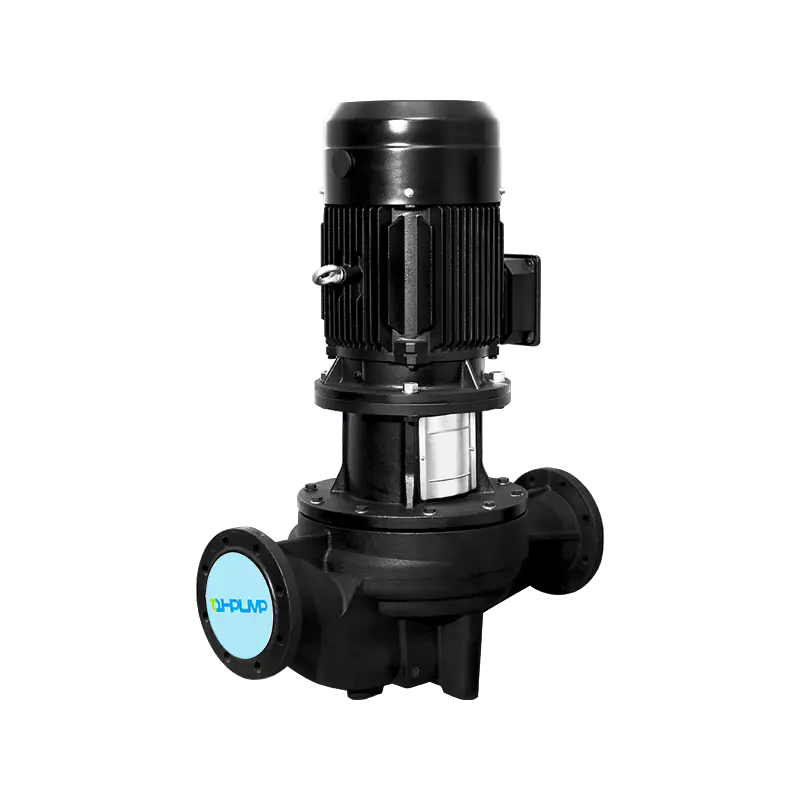
Centrifugal water pumps are available in various configurations, each suited to specific operating conditions. Selecting the correct type helps ensure stable performance and easier maintenance.
| Pump Type | Typical Use | Key Advantage |
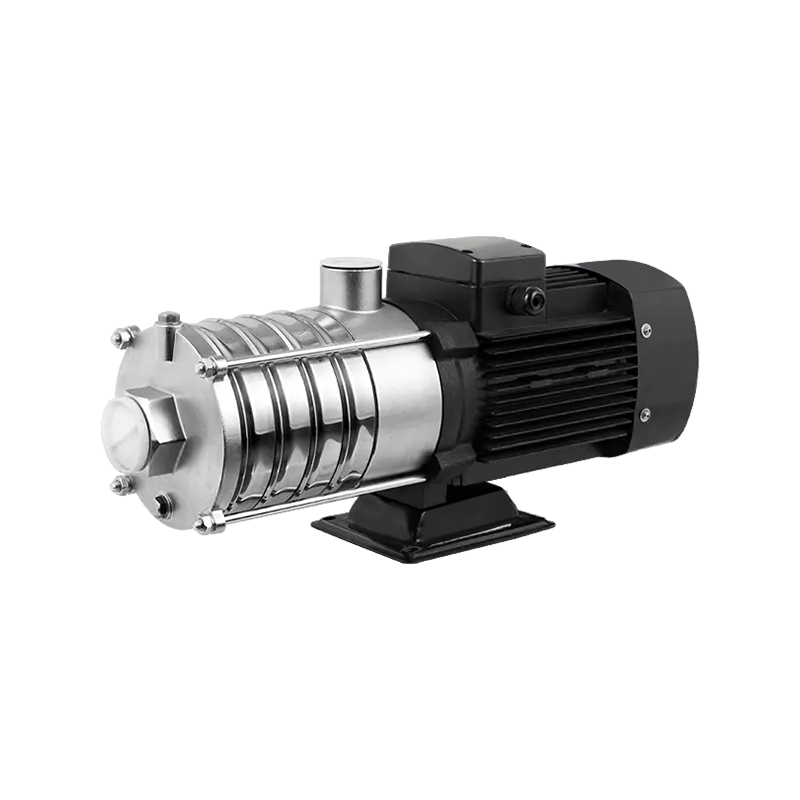
| Single-Stage Centrifugal Pump | Low to moderate head applications | Simple structure and easy maintenance |
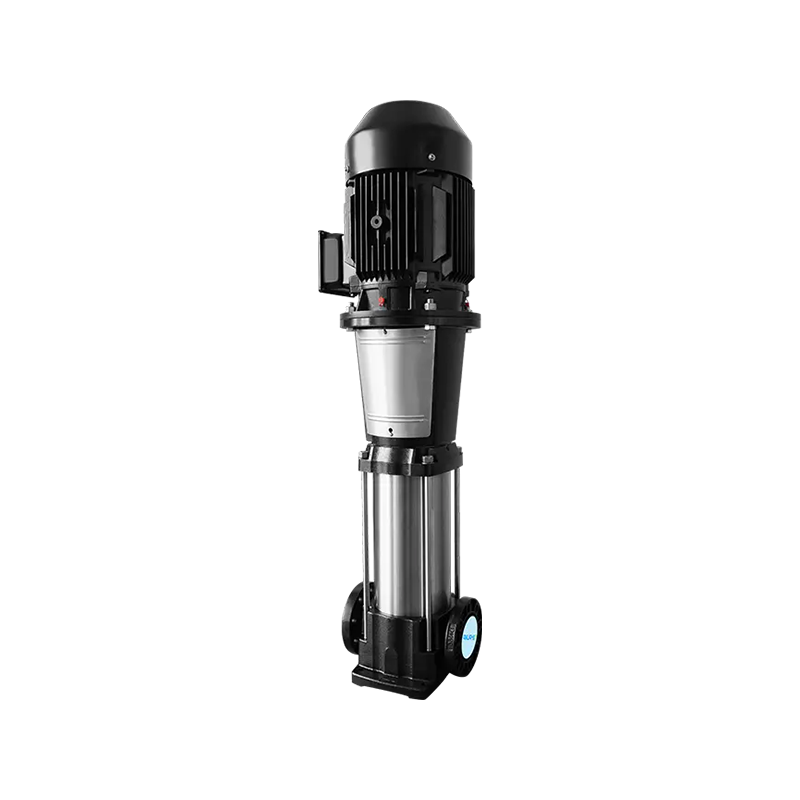
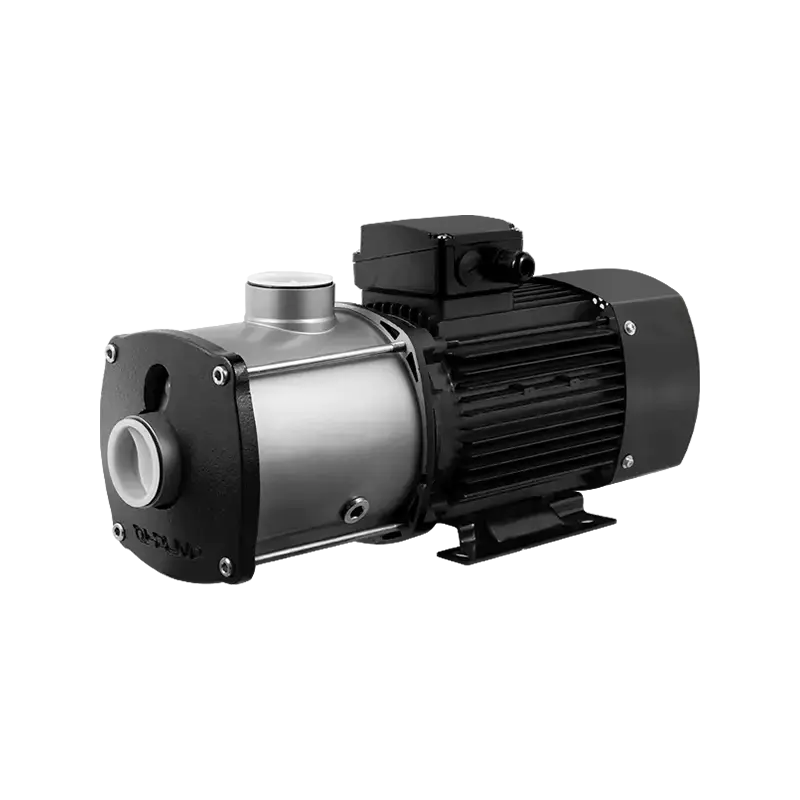
| Multistage Centrifugal Pump | High head water supply systems | Higher pressure capability |
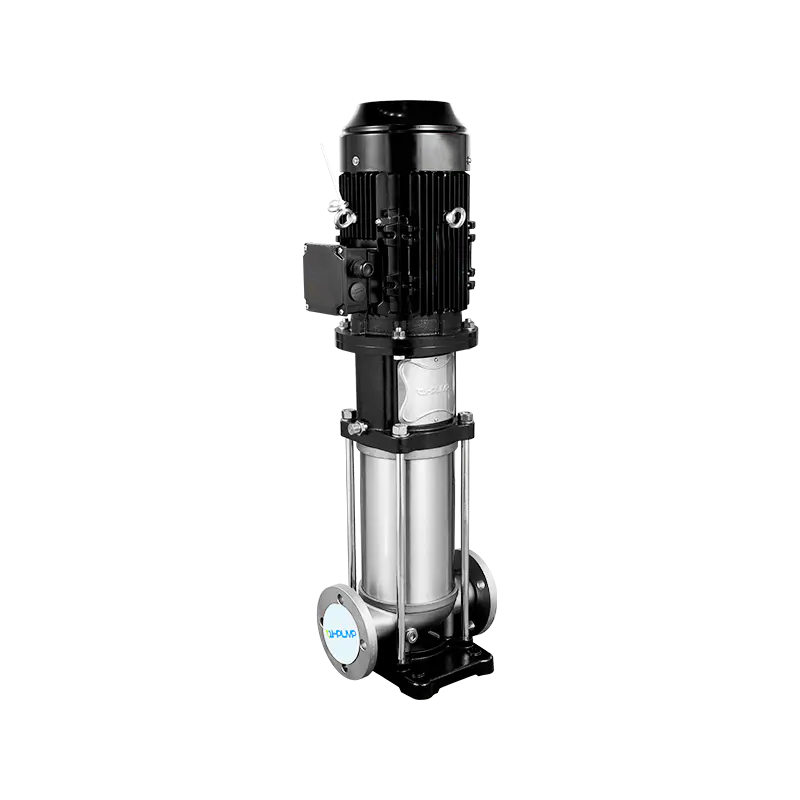
| Vertical Centrifugal Pump | Limited floor space installations | Compact footprint |
Match Pump Performance with Efficiency Range
A centrifugal water pump should operate near its best efficiency point under normal working conditions. Operating far from this range can result in vibration, noise, increased wear, and higher energy consumption.
When reviewing pump performance curves, it is advisable to select a model that meets required flow and head while remaining within a stable efficiency zone. This approach improves long-term reliability and reduces operating costs.
Consider Installation and Maintenance Conditions
Installation environment plays a significant role in pump selection. Factors such as available space, foundation strength, accessibility for maintenance, and alignment requirements should be evaluated before finalizing a pump model.
Pumps installed in remote or unattended locations may benefit from simpler designs with fewer wear components. Easy access to seals, bearings, and impellers helps reduce downtime during routine maintenance.
Assess Long-Term Operation and System Compatibility
Beyond initial performance, selecting the right centrifugal water pump involves considering long-term operation within the system. Compatibility with control methods, such as variable frequency drives, and consistency with existing piping standards support stable integration.
By aligning pump selection with actual operating conditions and maintenance expectations, centrifugal water pumps can deliver reliable performance and predictable service life across a wide range of applications.

Recommended Products
It is focused on the overall solution of dry bulk material port transfer system,
research and development, manufacturing, and service


 English
-
 Factory Area 5-6, No. 1118 Xin'an Road, Nanxun Town, Huzhou City, Zhejiang Province
-
 +86-4008117388
-
 [email protected]
Copyright © Zhejiang Zehao Pump Industry Co., Ltd. All Rights Reserved. Stainless Steel Multistage Centrifugal Pumps Manufacturers

