


 English
 中文简体
中文简体 русский
Industry News
Home / News / Industry News / Corrosion Resistant Centrifugal Pump: Materials, Selection & Safety Guide

A pump failure in a corrosive service environment is rarely just a maintenance problem. Leaking acid, caustic overflow, or a seized impeller mid-process can mean unplanned shutdowns, contaminated product, or serious safety incidents. The root cause, in most cases, isn't a design flaw or operator error—it's a material mismatch between the pump and the fluid it was asked to handle.
Selecting a corrosion resistant centrifugal pump for chemical service is fundamentally a materials engineering decision, wrapped in hydraulic performance requirements. This guide walks through the key material options, typical applications, seal configurations, and the selection framework that experienced process engineers use to match pump to fluid reliably.
Content
Corrosion attacks pump components in ways that compound over time. A small amount of pitting on an impeller vane disrupts the hydraulic profile, reducing efficiency and increasing turbulence. That turbulence accelerates further material removal. What begins as surface degradation becomes dimensional loss, then clearance growth, then loss of pressure and flow—often faster than inspection intervals reveal.
The wetted components of a centrifugal pump—the impeller, casing, wear rings, and shaft sleeve—must resist the specific corrosion mechanism the process fluid presents. Uniform corrosion (general surface attack), pitting, crevice corrosion, stress corrosion cracking, and erosion-corrosion each call for different material responses. No single material resists everything, which is why corrosion-resistant pump design starts with a precise understanding of the fluid chemistry.
Temperature and concentration compound the challenge. Stainless steel grades that perform acceptably in dilute acid at ambient temperature can suffer rapid attack when the same acid is concentrated or heated. Specifying a pump without confirming both the operating and upset-condition chemistry is one of the most common selection errors in chemical process industries.
The material spectrum for corrosion resistant centrifugal pumps runs from standard austenitic stainless steels to exotic nickel alloys and non-metallic fluoropolymer linings. Each tier offers a different balance of corrosion resistance, mechanical strength, cost, and fabricability.
304 Stainless Steel. The baseline austenitic grade. It handles mildly corrosive, non-chloride-containing media well—food-grade water, dilute organic acids, and light process streams in pharmaceutical and beverage manufacturing. It is not suitable for chloride-rich environments, where it becomes vulnerable to pitting and stress corrosion cracking.
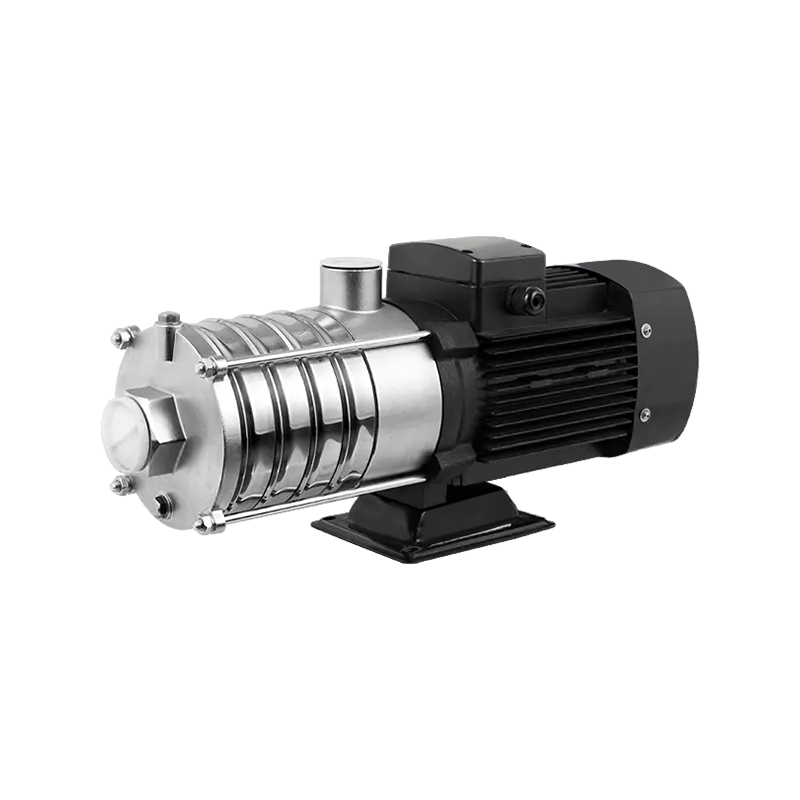
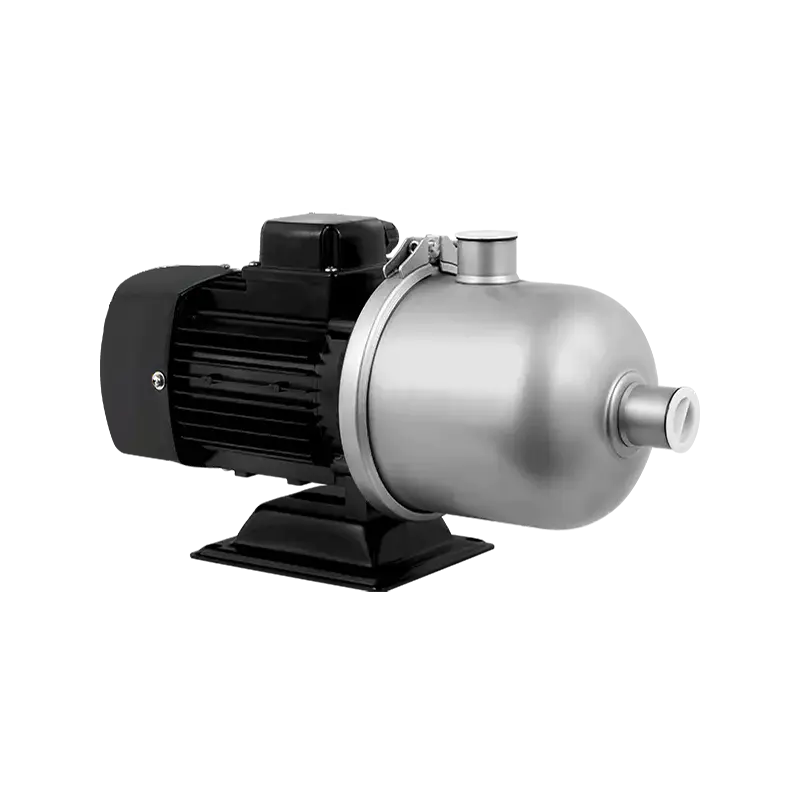
316 and 316L Stainless Steel. The addition of molybdenum (typically 2–3%) significantly improves chloride resistance over 304. These grades are the workhorses of chemical process pumping—suitable for seawater, pharmaceutical intermediates, and a broad range of moderately aggressive chemicals. The low-carbon "L" variant offers better weld-zone corrosion resistance, making it the preferred choice where welded construction is involved. Our stainless steel horizontal single-stage centrifugal pump uses this grade as the standard wetted material, making it a practical choice for clean or lightly corrosive fluid transfer.
Duplex Stainless Steel (2205, 2507). Duplex grades combine austenitic and ferritic microstructures, delivering roughly twice the yield strength of standard austenitic grades alongside superior resistance to chloride stress corrosion cracking and pitting. They are specified for seawater service, acid mine drainage, and desalination applications where 316L would fail prematurely. Super duplex grades (2507) extend this capability further for the most aggressive chloride environments.
904L and High-Alloy Austenitic Steels. 904L contains elevated nickel and copper content, giving it strong resistance to sulfuric acid across a wide concentration range. It is used in fertilizer production, acid recovery systems, and chemical processing where sulfuric acid is the primary corrodent.
Hastelloy C-276 and Nickel Alloys. Nickel-based alloys like Hastelloy C-276 represent the high end of metallic corrosion resistance. They withstand strong oxidizing and reducing acids, wet chlorine, and mixed-acid environments that would rapidly degrade stainless steel. Their cost is substantially higher, and they are reserved for services where no standard stainless option is viable.
Fluoroplastic-Lined and All-Plastic Pumps. For extremely aggressive media—concentrated acids, strong oxidizers, solvents—non-metallic construction or fluoropolymer-lined steel casings eliminate the corrosion problem at the wetted surface entirely. PTFE, PVDF, and PP-lined pumps handle media that no metallic pump would survive. The structural loads are carried by the steel shell; the lining provides the chemical barrier.
Corrosion resistant centrifugal pumps appear wherever process fluids are chemically aggressive. The industry context shapes both material requirements and pump configuration priorities.
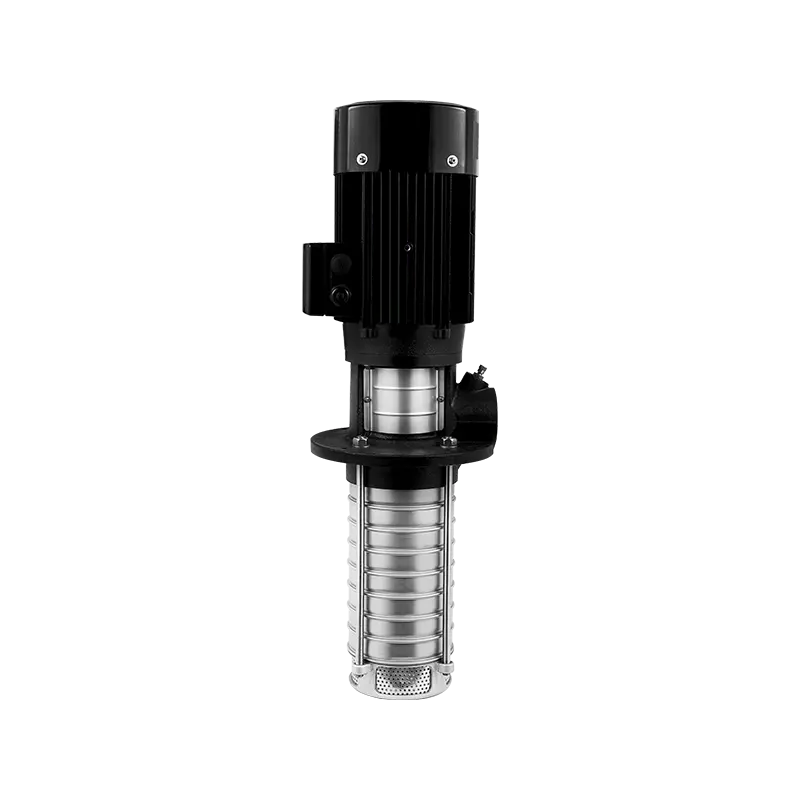
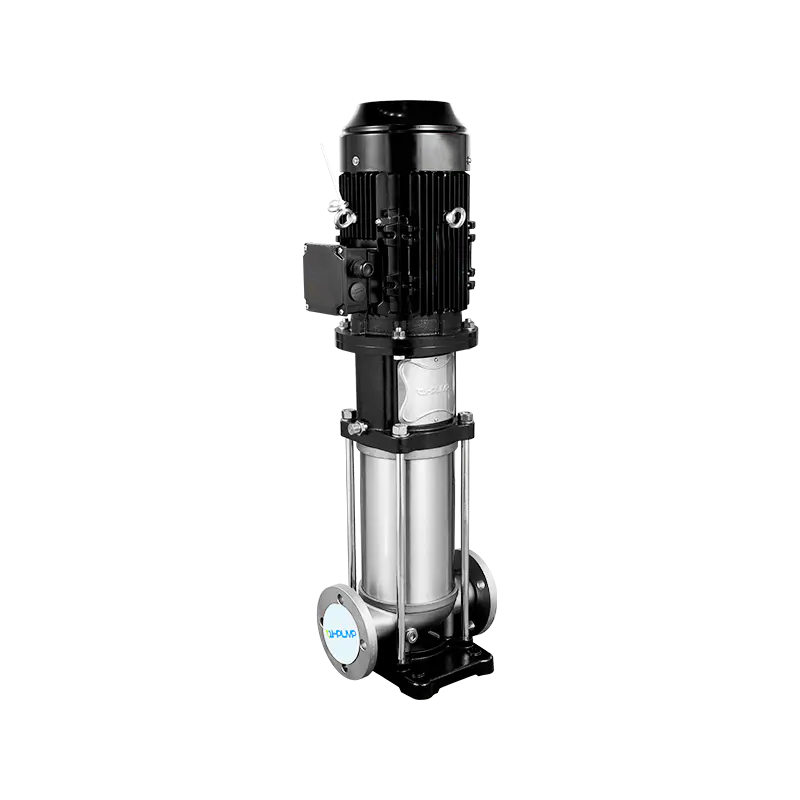
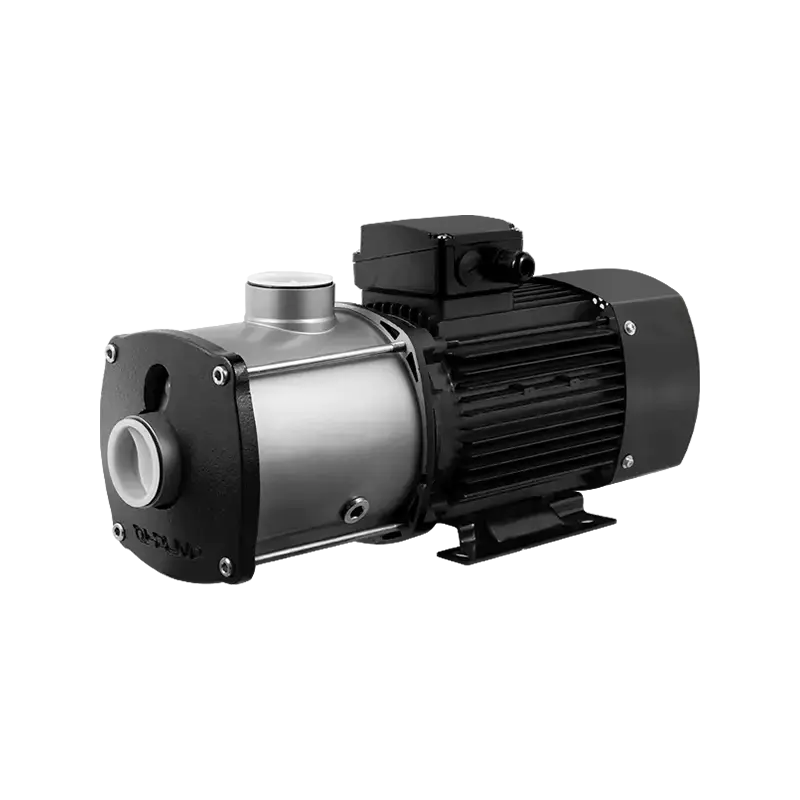
Chemical processing. The broadest and most demanding application base. Acids, caustics, solvents, chlorinated compounds, and oxidizing agents all require specific material compatibility verification before pump selection. Horizontal end-suction configurations are common for above-grade tank transfer; for below-grade sumps and pits, a submerged configuration avoids suction-head limitations. Our horizontal end-suction centrifugal pump options cover the standard above-grade transfer duties, while the immersion-type multistage centrifugal pump for chemical sump service is designed for submerged installation where suction conditions are challenging.
Pharmaceutical and food & beverage. These industries require corrosion resistance primarily to protect product purity rather than structural integrity. Ion contamination from degrading wetted surfaces can render batches non-conforming. 316L stainless steel with electropolished internal surfaces is the typical specification, meeting both corrosion resistance and hygienic requirements simultaneously.
Wastewater treatment. Effluent streams can carry chlorides, sulfides, acids generated by biological activity, and aggressive dissolved solids. Treatment chemicals—hypochlorite, ferric chloride, sulfuric acid for pH adjustment—are themselves highly corrosive. Both 316L and duplex stainless grades find use here depending on the specific chemical dosing regime involved.
Marine and offshore. Seawater is relentlessly corrosive to standard carbon steel and even 304 stainless. Duplex stainless steel or super duplex grades are standard for seawater service. Salt-laden air also attacks external pump surfaces, requiring consideration of both wetted-part and external material selection in coastal and offshore environments.
The shaft seal is the most vulnerability-prone point in any centrifugal pump handling corrosive media. Two configurations dominate chemical service: conventional mechanical seals and magnetically driven (mag-drive) sealless designs.
Mechanical seals form a dynamic barrier at the rotating shaft. In corrosive service, the seal faces, elastomers, and hardware must all be selected to match the process fluid. Single-face seals suit mildly corrosive, non-toxic media. Double mechanical seals with a barrier fluid provide a secondary containment layer for more hazardous applications, isolating the process fluid from the atmosphere even if the primary seal degrades.
Mag-drive pumps eliminate the shaft seal entirely. The impeller is driven through magnetic coupling across a containment shell—no rotating shaft penetrates the casing, so there is no dynamic seal to leak. For highly toxic, volatile, or environmentally regulated chemicals, this architecture provides the highest level of leak prevention short of hermetically welded construction. The trade-off is sensitivity to dry running (which can rapidly destroy the containment shell) and limitations on the size range and head capacity compared to sealed designs.
For most general chemical service with 316L or duplex construction, a properly specified single or double mechanical seal is entirely adequate. Mag-drive selection is typically driven by regulatory requirements, extremely high toxicity, or zero-emission requirements rather than corrosion resistance per se.
A structured five-step approach prevents the most common selection mistakes.
Step 1 — Define the fluid completely. Chemical name, concentration, temperature range (including upset conditions), presence of solids, and any periodic cleaning-in-place chemicals all affect material compatibility. A pump that handles the process fluid fine may fail rapidly during a CIP cycle with hot caustic or acid wash.
Step 2 — Confirm hydraulic requirements. Establish the required flow rate, total head, and NPSH available at the suction connection. Undersizing creates excessive velocity and accelerated erosion-corrosion; oversizing leads to throttling and operating instability. Both shorten pump life.
Step 3 — Select wetted materials from a compatibility chart. Cross-reference the process fluid against published chemical resistance data for each candidate material. Pay particular attention to temperature corrections—corrosion rates for many fluid-material combinations increase sharply above 60°C.
Step 4 — Choose the appropriate seal configuration. Match seal type and materials to the fluid hazard level and any applicable environmental regulations. Confirm that elastomer and seal face materials are listed as compatible with the process fluid at operating temperature.
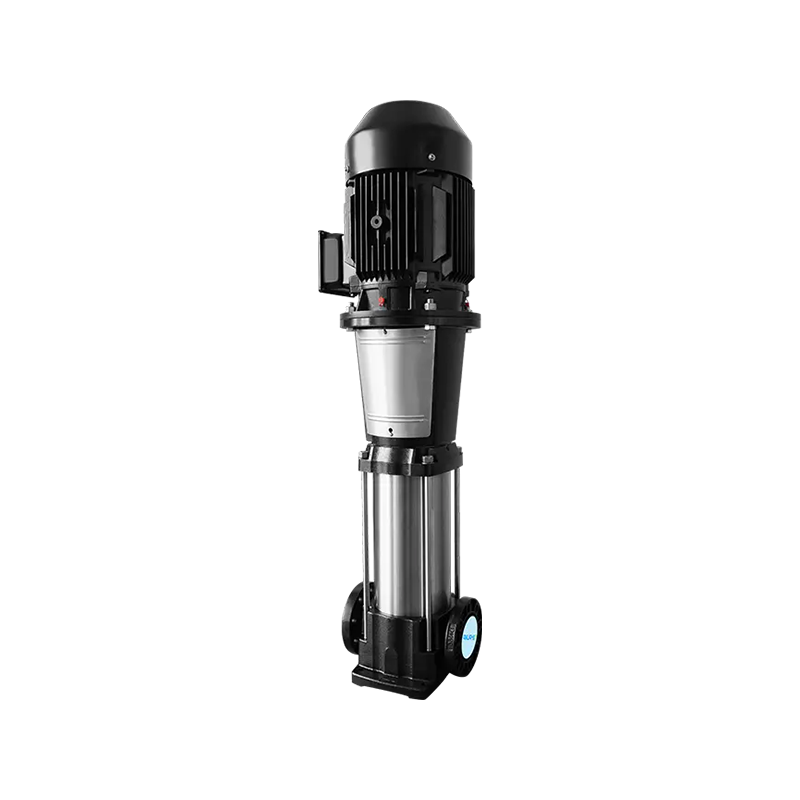
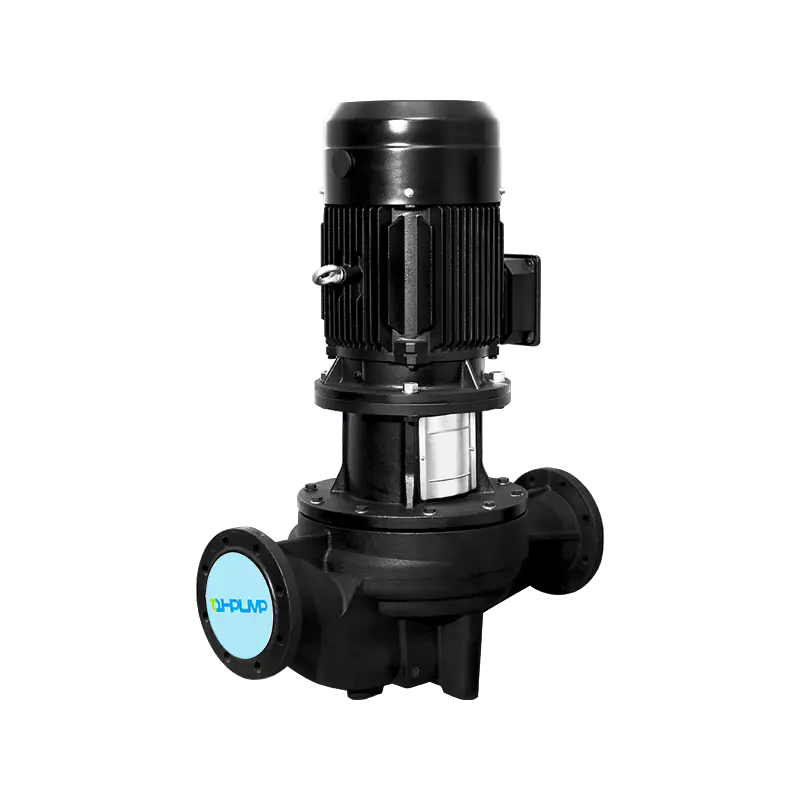
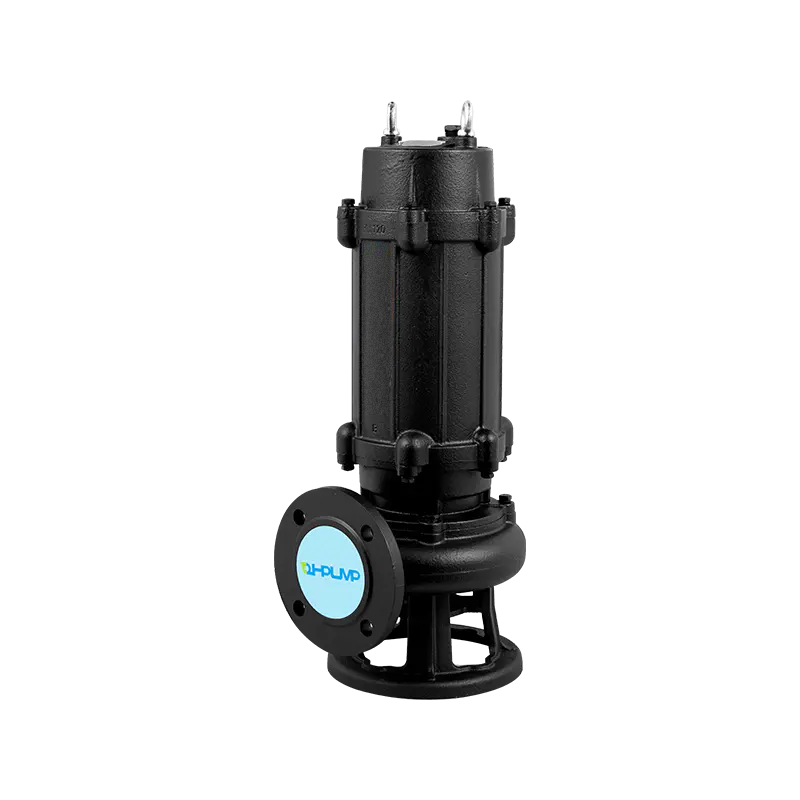
Step 5 — Match pump configuration to installation constraints. Above-grade transfer with a flooded suction suits horizontal end-suction designs. Below-grade sump duty or limited-space installations may call for a vertical or submerged configuration. For corrosive wastewater and effluent applications requiring submersible construction, an all stainless steel precision casting submersible pump provides both corrosion resistance and the installation flexibility of a fully submerged design. View the full product range to compare configurations across flow, head, and installation requirements.
Pumping corrosive or hazardous chemicals introduces safety and regulatory obligations that go beyond equipment selection. Process systems handling highly hazardous chemicals in the United States fall under OSHA's Process Safety Management standard, which requires documented process hazard analysis, mechanical integrity programs, and management of change procedures for equipment handling regulated substances. OSHA's guidance on chemical exposures from industrial valve and piping systems underscores that opening any pressurized chemical system—including pump maintenance—requires formal hazard assessment and engineered controls.
On the equipment side, centrifugal pumps for chemical process service are commonly specified to ISO 2858 (dimensional standards) or ISO 5199 (technical requirements), with API 610 applying to heavy-duty refinery and petrochemical service. These standards define casing pressure ratings, material requirements, mechanical seal arrangements, and minimum bearing life—providing a consistent baseline that allows pumps from different manufacturers to be evaluated and compared on equal terms.
Mechanical integrity is not a one-time selection exercise. Corrosion resistant pumps require periodic inspection of wetted surfaces, seal condition, and bearing performance to confirm they are degrading at expected rates. Any change in process chemistry—concentration increase, temperature shift, introduction of new cleaning agents—should trigger a formal review of material compatibility before the change is implemented, not after the first premature failure.
It is focused on the overall solution of dry bulk material port transfer system,
research and development, manufacturing, and service
 Factory Area 5-6, No. 1118 Xin'an Road, Nanxun Town, Huzhou City, Zhejiang Province
 +86-4008117388
 [email protected]
Copyright © Zhejiang Zehao Pump Industry Co., Ltd. All Rights Reserved. Stainless Steel Multistage Centrifugal Pumps Manufacturers





 English